Guar Gum: The Desert Bean That Shook the Oil Industry
In 2012, a humble legume from the deserts of Rajasthan briefly became one of the hottest commodities on earth. The American shale boom had discovered that nothing carried frac sand into a fracture better than guar gum — and prices multiplied nearly tenfold in months, minting fortunes across India’s guar belt before settling back. The episode taught the market a permanent lesson: India grows most of the world’s guar, and whoever supplies it reliably holds a strategic seat in the fracturing supply chain.
One seed, two industries
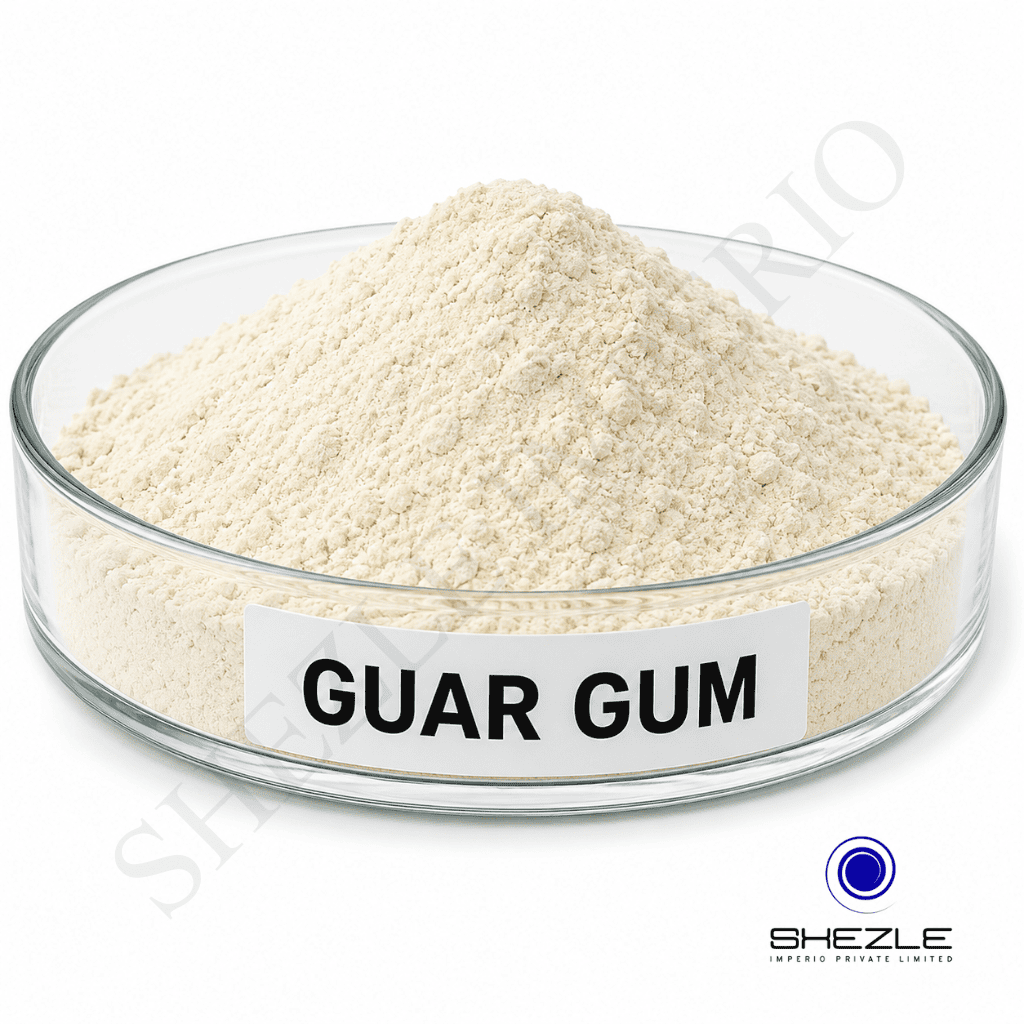
Ground from the endosperm of the guar bean, guar gum powder is a galactomannan that thickens water more efficiently than almost any natural polymer. The oilfield buys Fast-Hydrating Guar — engineered to reach working viscosity in minutes inside a high-shear frac blender, then crosslink with borates into a proppant-hauling gel. Industry buys the mesh ladder: 60 mesh (300–2,500 cps) for economical mining and technical duty, 100 mesh (1,000–4,500 cps) for textiles and paper, and 200 mesh (2,000–7,500 cps) — the fine, fast, food-grade (E412) premium — for thickening everything from sauces to printing pastes.
Buying guar is buying the crop
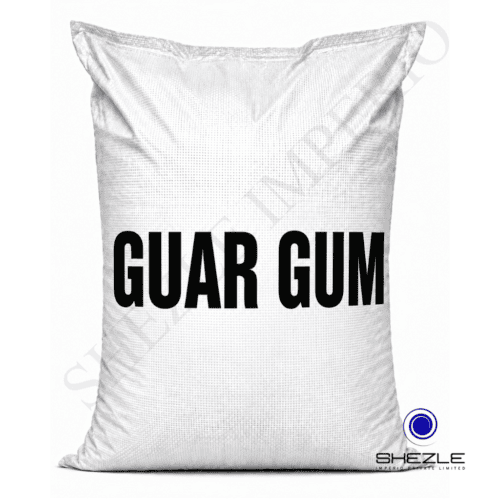
Guar remains a monsoon-dependent agricultural commodity; guar gum prices move with Rajasthan’s rainfall and frac-spread counts in Texas. Serious buyers manage that volatility with supplier relationships, not spot gambles. SIPL, operating from Gujarat beside the Rajasthan guar belt, supplies consistent mesh and viscosity specifications in 25 kg bags, jumbo bags and container loads to customers across the USA, Europe, China and the Middle East.
From the desert to your process
Shezle Imperio Private Limited is a leading guar gum supplier and exporter from India — offering the crop’s home-ground advantage with export-grade discipline.
Secure the polymer the world fracks and thickens with — visit the Guar Gum product page and request current pricing today.