PFAD: The Palm Byproduct That Became a Climate-Policy Commodity
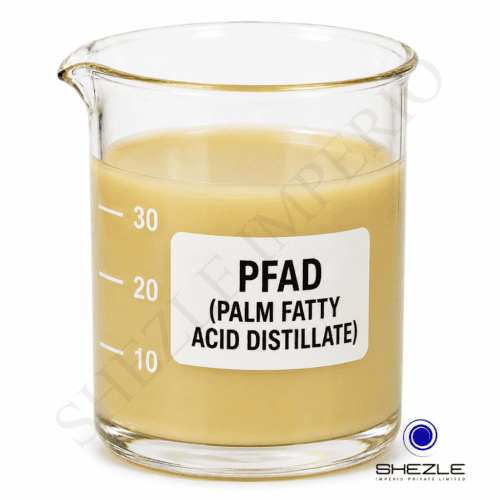
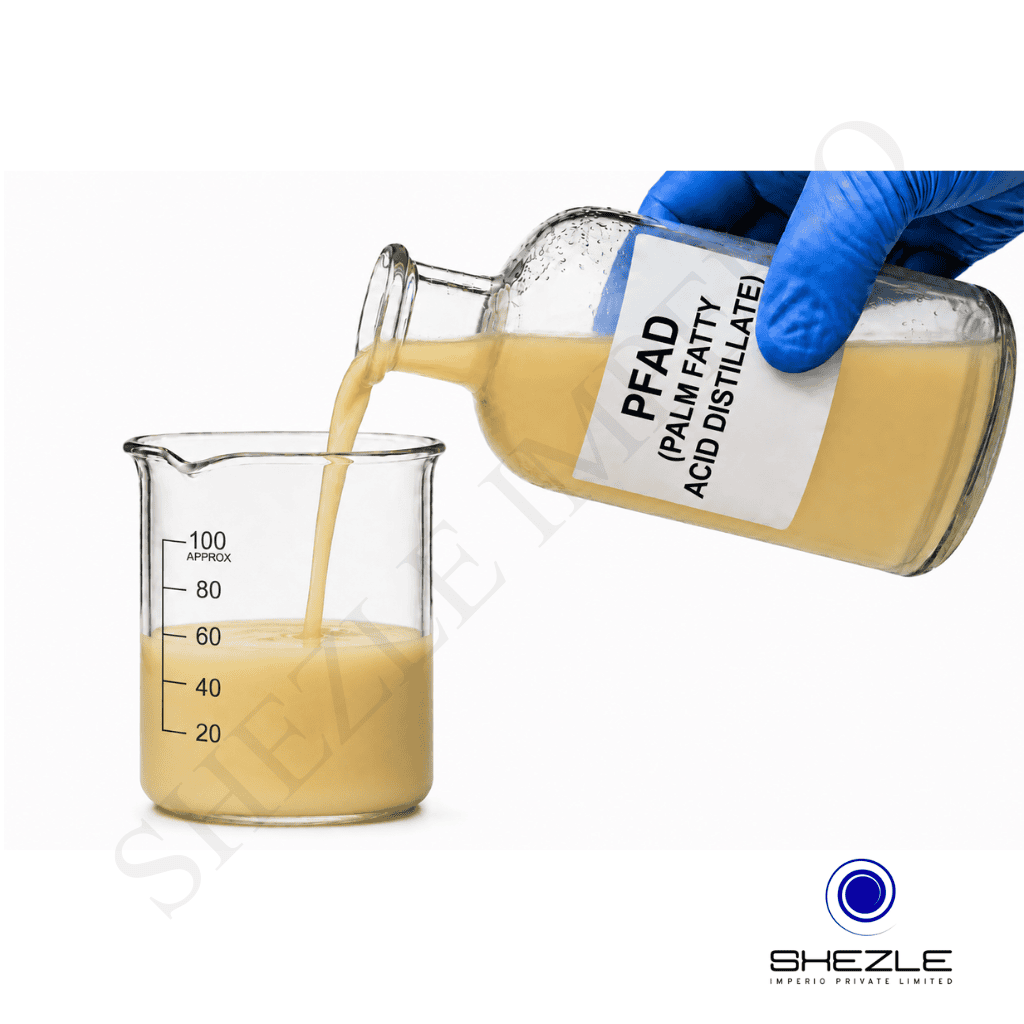
Refine crude palm oil and a sharp-smelling distillate comes off the deodoriser — PFAD, Palm Fatty Acid Distillate — historically the cheap tail of the palm complex, destined for soap kettles. Then Europe’s renewable-fuel rules classified waste-and-residue feedstocks as carbon gold, and PFAD’s world changed: today HVO and biodiesel producers compete with soapers for every tonne, and PFAD prices track energy policy as much as palm harvests.
Four buyers at one auction
Soap manufacture remains the volume anchor — economical saponifiable fat for bars across Asia and Africa. Renewable fuels are the price-setters, with certified PFAD streams feeding HVO plants from Singapore to Rotterdam. Oleochemical splitters convert it to distilled fatty acids, and tocopherol extractors mine its natural vitamin E. Every channel reads the same certificate: FFA, MIU, colour — plus, increasingly, sustainability documentation.
India’s import-trade seat
India imports PFAD from Malaysia and Indonesia through Kandla and the west-coast terminals — precisely SIPL’s corridor. We trade both directions: sourcing origin cargoes and supplying domestic soapers and processors in tankers, flexis and bulk, with export flows to Bangladesh and Pakistan.
A byproduct with a geopolitics — visit the PFAD page and request current assays and pricing today.