Blown Castor Oil: What Happens When You Teach an Oil to Be Thick on Purpose
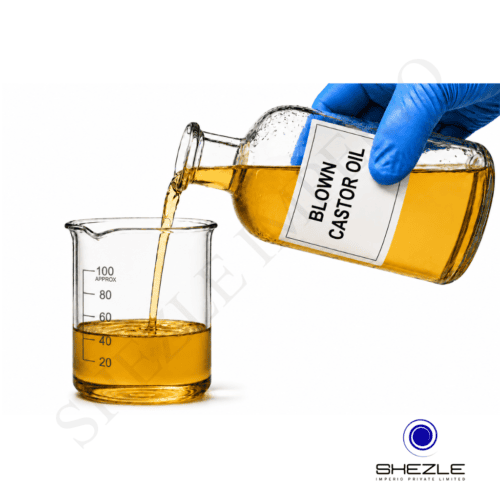
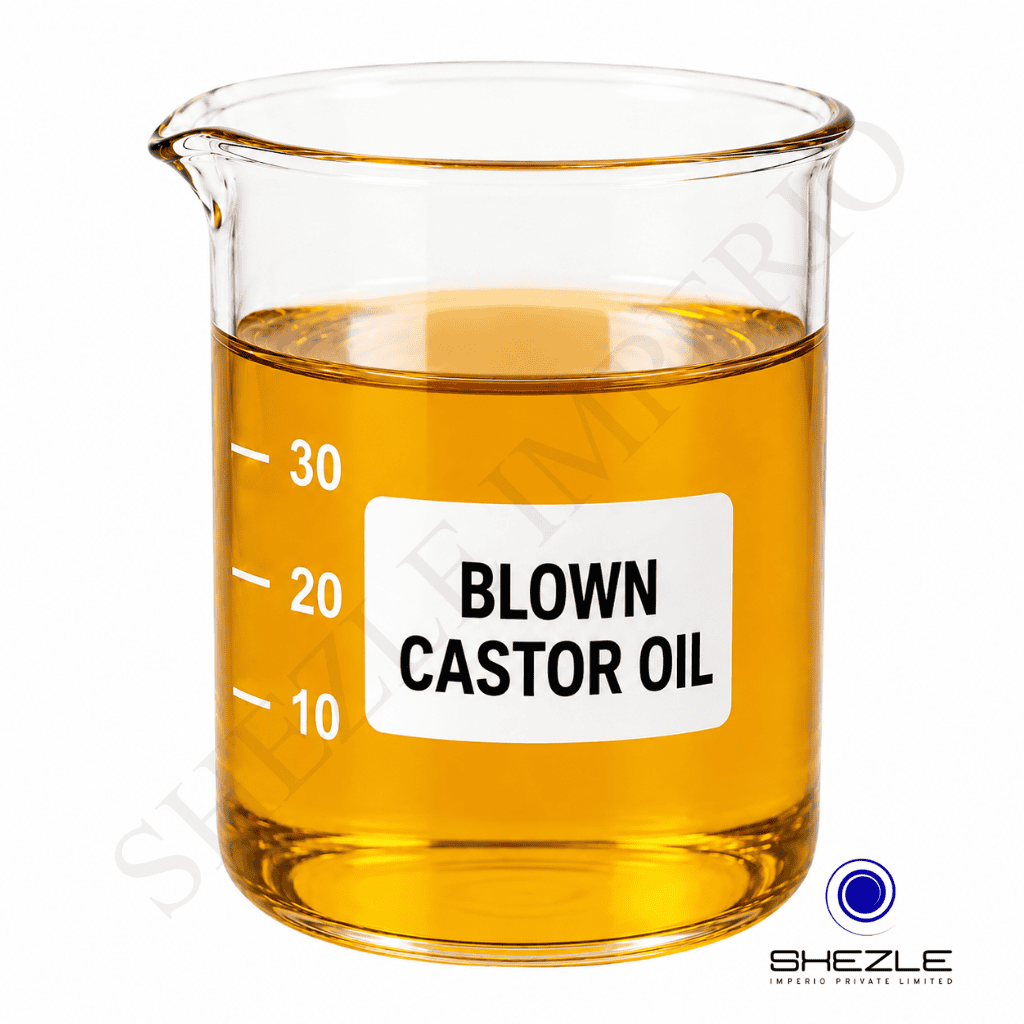
Most industries fight viscosity; a few pay premiums for it. Printing inks need body and tack. Greases need an oil that stays put. Leather finishers need cling. For all of them, the castor industry performs a deliberate transformation: bubble air through hot castor oil under control, let oxidation and polymerisation link the molecules, and stop precisely at the thickness ordered. The result is Blown Castor Oil — viscosity as a product line.
A spectrum, not a single oil
Blowing is a dial, not a switch. Light blows yield pourable oils with enhanced body; heavy blows approach honey and beyond — each grade defined by viscosity, acid value and colour. Ink makers buy their tack point for offset and letterpress body. Grease and metalworking formulators buy adhesion and film strength. Leather fatliquors buy softness with cling; rubber and plasticiser chemistry buys compatibility the raw oil lacks.
Castor’s home advantage
Blown grades are only as consistent as the blowing discipline behind them. SIPL supplies from India’s castor heartland with each grade’s parameters certified per lot, in drums, exporting to formulators across Europe, China and the USA.
Order your viscosity — visit the Blown Castor Oil product page and request the grade chart and pricing today.