Beeswax: Six Thousand Years of Product Development by Bees
Before chemistry had a name, humanity had beeswax. Egyptian embalmers sealed with it, Roman scribes wrote on it, medieval churches burned it, and every apothecary in history softened salves with it. Beeswax may be civilisation’s longest-serving industrial material — and modern formulators keep it employed for the same reason their ancestors did: nothing else behaves quite like it.
What the hive engineered
Bees build a wax of astonishing sophistication — esters, acids and hydrocarbons balanced into a material that is plastic yet firm, moisture-resistant yet skin-loving, melting just above body warmth. In cosmetics, it structures balms and salves with an emulsion-friendliness synthetics chase; in candles, it burns slow, bright and subtly honeyed — the premium the market gladly pays; in pharma, ointment bases and coatings continue traditions the pharmacopoeias formalised centuries ago.
Yellow or white, always authentic
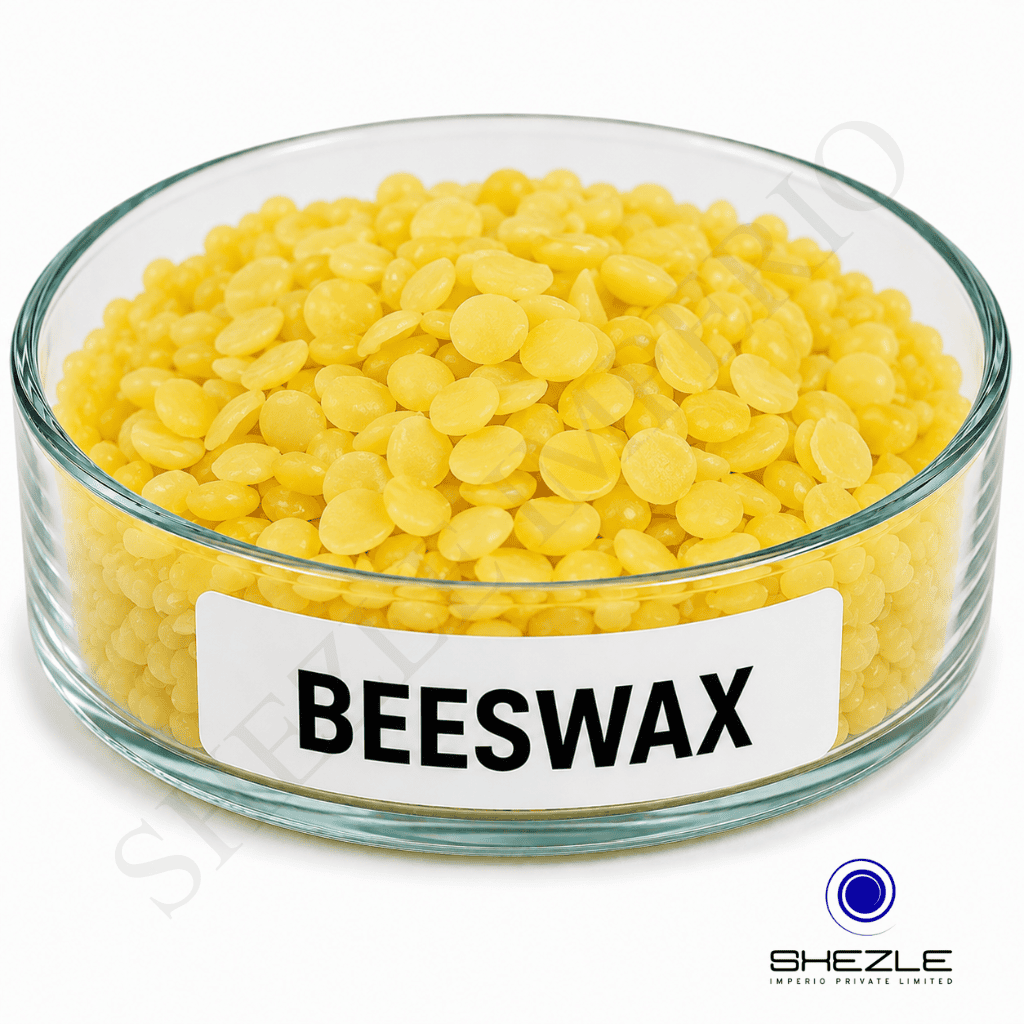
Yellow grade keeps the hive’s colour and scent — the natural brand’s proof of origin. White (Cera Alba) is refined pale for colour-critical work. In a market plagued by adulteration, the specification that matters most is authenticity — and SIPL supplies filtered, purity-documented wax in blocks and pastilles, exporting from India to the UAE, Europe and the USA.
Six millennia of proof — visit the Beeswax product page and request grade samples and pricing today.