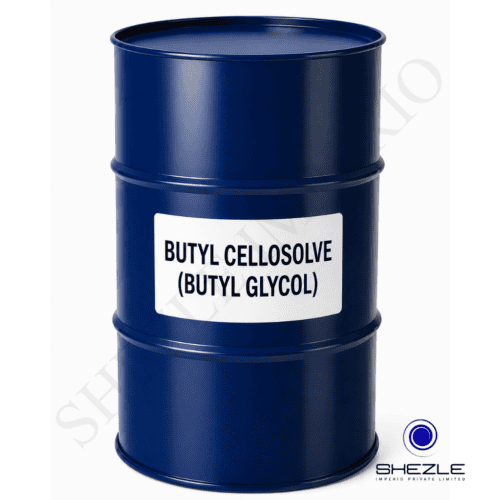
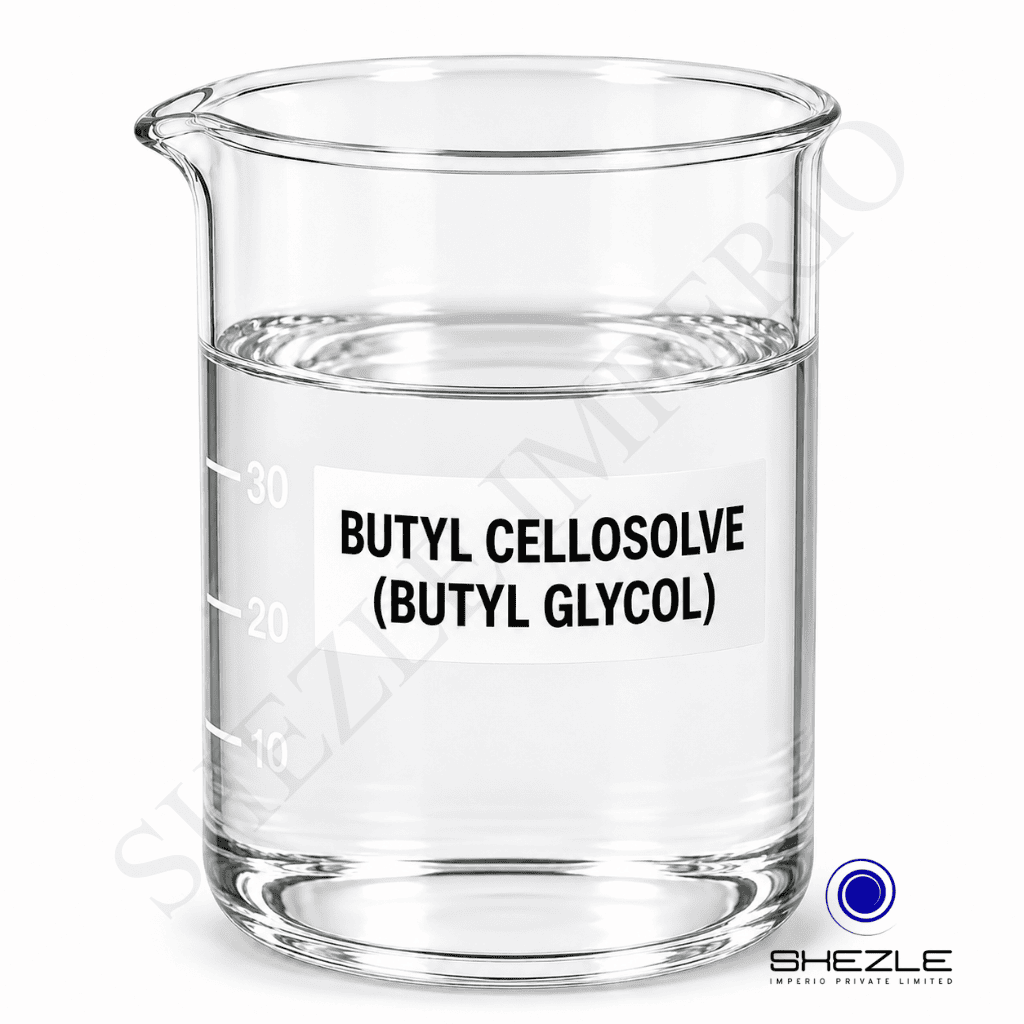
Butyl Glycol: The Molecule That Taught Water-Based Paint to Form a Film
The great greening of the paint industry — solvent-borne to water-based — hid a physics problem. Latex paints are polymer spheres suspended in water; when the water leaves, the spheres must fuse into one continuous film, and at room temperature many simply won’t. The fix is a coalescing solvent that softens each sphere just long enough to merge — and for decades the name on that duty has been Butyl Glycol.
Amphiphilic and employed everywhere
2-Butoxyethanol’s talent is dual citizenship: an ether-alcohol equally fluent in water and oil. Beyond coalescing architectural and industrial water-based coatings, it powers cleaners and degreasers (cutting grease while rinsing in water), carries printing inks, couples hydraulic and specialty fluids, and troubleshoots formulations wherever oil and water must be persuaded to cooperate.
Specification keeps films honest
Coalescing performance follows assay, moisture and colour — certified per lot at SIPL, supplied in drums and ISO tanks from Ahmedabad’s solvent corridor to paint and formulation industries across India, the UAE, Africa and Bangladesh.
The diplomat of solvents — visit the Butyl Cellosolve product page and request specifications and pricing today.