Drilling Starch: The Oldest Fluid Loss Additive Still Beating the New Ones on Price
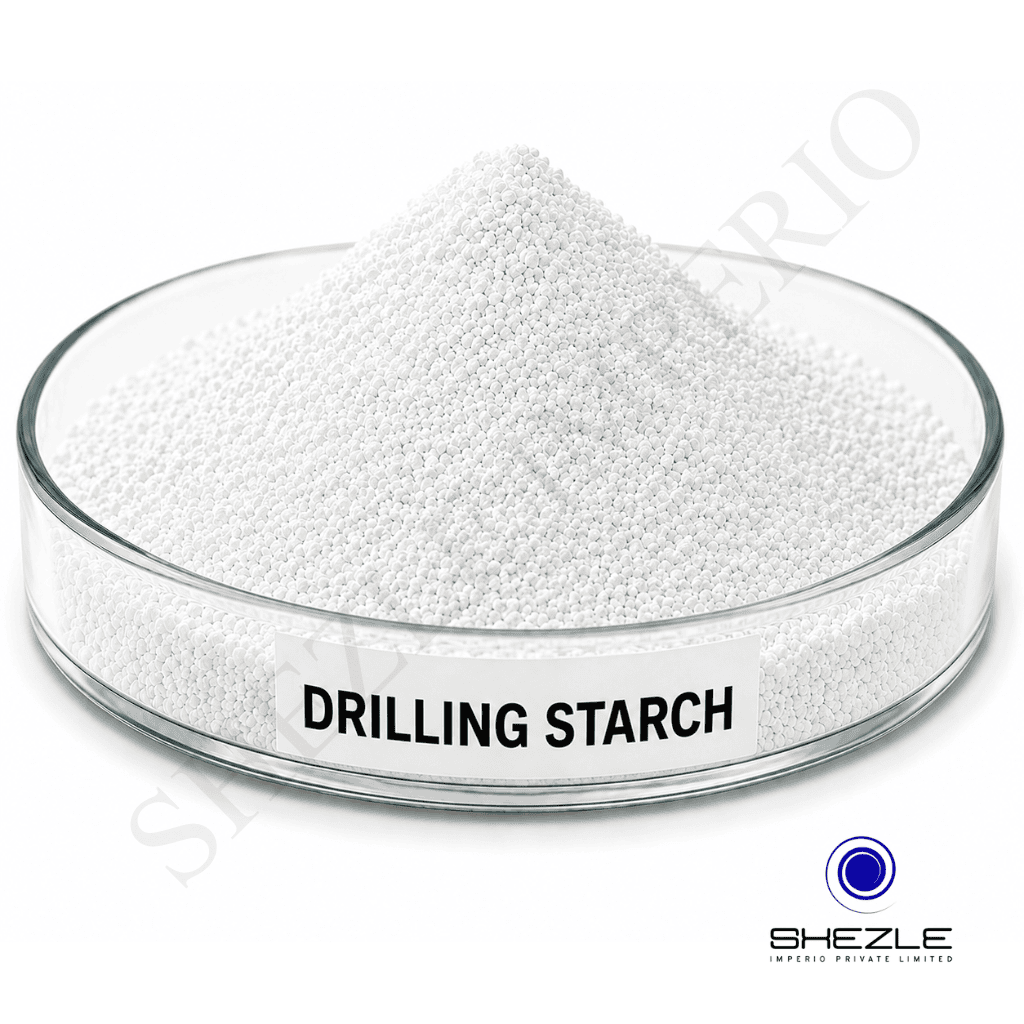
Before synthetic polymers, before PAC and CMC, drillers controlled fluid loss with starch — and remarkably, they still do. Drilling starch has survived a century of chemical innovation for one stubborn reason: nothing cuts filtrate in salt-saturated and completion fluids at a lower cost per barrel. Modified and pregelatinized for cold-water solubility, modern drilling grade starch dissolves straight into the active system and builds a thin, compressible filter cake that keeps mud filtrate out of the formation.
Where starch wins
Salt is starch’s home ground. In saturated salt muds, KCl systems and heavy completion brines — environments that punish many polymers — starch performs indifferently to salinity. It is also naturally biodegradable and formation-friendly, which is why reservoir drill-in fluids and workover programmes favour it: what starch leaves behind, the well can clean up. The trade-off engineers manage is temperature (starch degrades in very hot holes) and fermentation — which is why SIPL supplies preserved drilling starch that stores and performs reliably in field conditions.
Simple product, disciplined supply
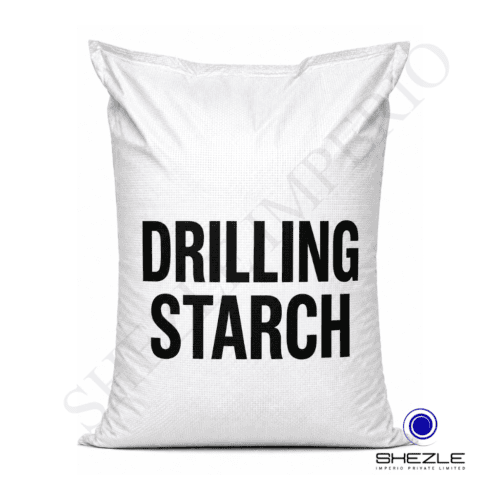
Consistency is everything in a commodity additive: moisture, solubility, filtrate performance, preservation. SIPL’s drilling starch ships in 25 kg multi-wall bags with consistent lot-to-lot behaviour, from Ahmedabad, Gujarat to mud plants across India, the Middle East and Africa.
A century of proof, a modern supply chain
Shezle Imperio Private Limited is a leading drilling starch supplier and exporter from India, serving mud companies who value the oldest trick in the fluid-loss book — done properly.
Cut filtrate, not budgets — visit the Drilling Starch product page and request a specification sheet and quotation today.