One Sack, Three Jobs: Why Polymer Muds Took Over Water-Based Drilling
The economics of drilling fluids reward multitaskers. A drilling polymer that viscosifies, controls fluid loss and protects shale replaces three products with one — and that arithmetic is why high molecular weight anionic polymers became the backbone of modern water-based systems.
How one molecule does three jobs
The secret is chain length and charge. An anionic drilling polymer stretches into long, negatively charged chains that thicken water into a cuttings-carrying fluid — job one. Those same chains wrap around reactive shale cuttings, encapsulating them before they hydrate, swell and disperse into the mud — job two, and the difference between clean returns and a solids nightmare. Finally the polymer films the wellbore wall, cutting fluid loss into the formation — job three. In KCl-polymer inhibitive systems, the polymer partners with potassium ions to drill the world’s most troublesome shales with plain water-based chemistry.
Low solids, high performance
Polymer muds also drill faster. By replacing part of the clay content, a polymer viscosifier keeps solids low — better ROP, less dilution, easier solids control. That performance-per-sack logic drives polymer consumption from land rigs to trenchless bores.
Supply that hydrates on schedule
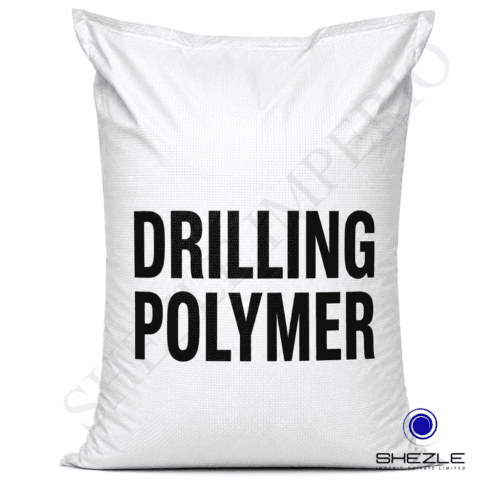
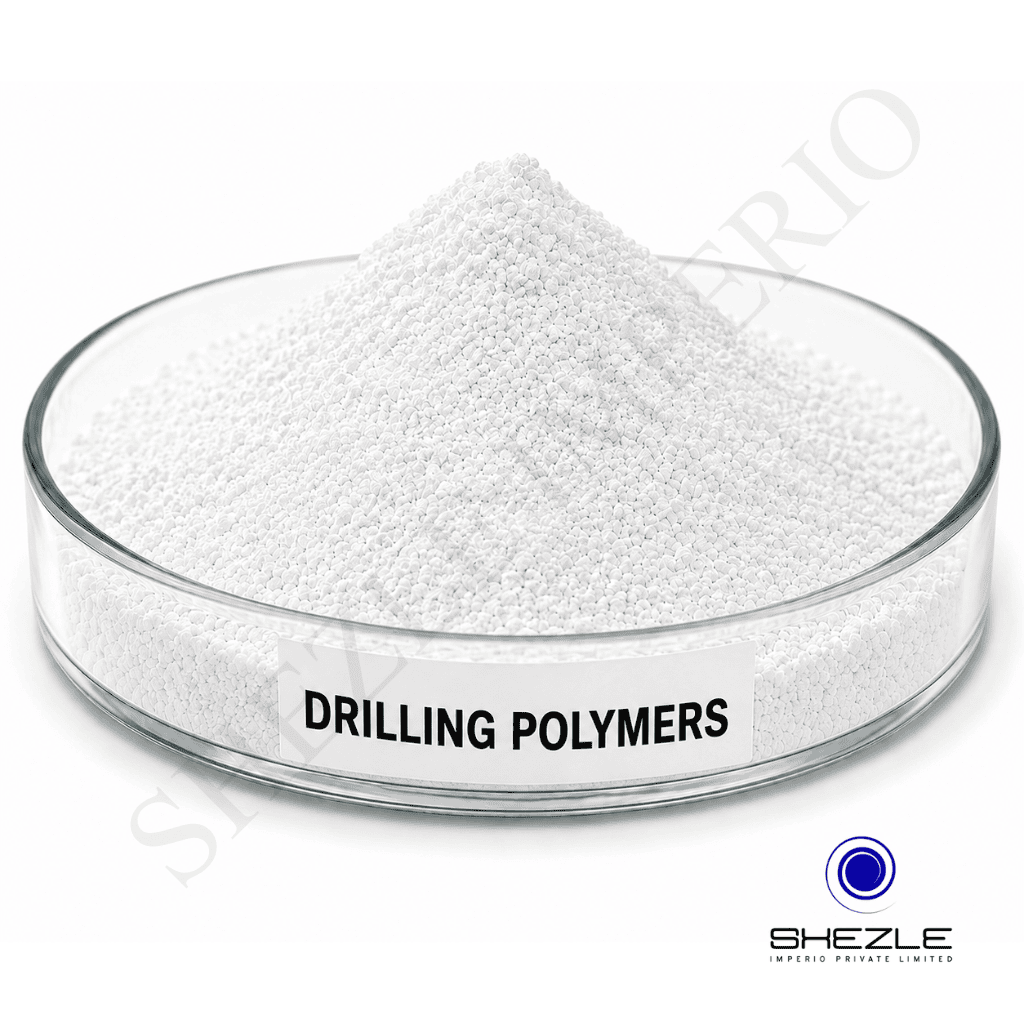
Polymer performance is hydration performance: a lumpy, fisheye-prone product wastes rig time. SIPL supplies its drilling polymer with consistent particle sizing and hydration behaviour, in 25 kg bags from Ahmedabad, India to operations across India, the Middle East, Central Asia and Africa.
Run the multitasker — visit the Drilling Polymer product page and request a specification and quotation today.